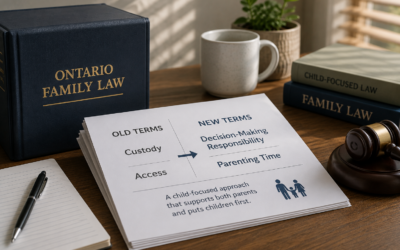

Discovering a partner’s infidelity is one of the most emotionally devastating experiences in a marriage. When facing this betrayal, many people wonder how their spouse’s cheating will impact their divorce proceedings. Will the unfaithful spouse be penalized financially? Will it affect decision-making responsibility and/or parenting time arrangements? Understanding how Canadian law actually treats infidelity in divorce cases can help you set realistic expectations and make informed decisions during this difficult time.
The short answer is that while infidelity can be grounds for divorce in Canada, it typically has little to no impact on the financial and parenting issues of your divorce settlement. Canada’s family law system operates on largely “no-fault” principles when it comes to dividing property, determining spousal support, and making decisions about children.
If you’re married and facing infidelity, here’s what’s important to understand:
- Infidelity is valid grounds for divorce but doesn’t give you a legal advantage
- Property division is based on equalization principles, not marital misconduct
- Spousal support decisions focus on financial need, not who caused the marriage breakdown
- Parenting issues are determined by the children’s best interests, not parental infidelity
- Adultery may matter legally only if it involved financial misconduct or affects parenting ability
- Most couples use the one-year separation period as grounds for claiming divorce rather than proving adultery
Grounds for Divorce in Canada
Canada’s Divorce Act recognizes three grounds for divorce that establish the breakdown of marriage: separation for one year, adultery, or cruelty. While adultery can allow you to obtain a divorce immediately without waiting for the one-year separation period, it’s actually the least commonly used ground for divorce.
What Constitutes Adultery in Canadian Law
Adultery is defined as a voluntary sexual relationship between a married person and someone other than their spouse. Even a single act of adultery is sufficient grounds for divorce, regardless of the duration of the affair. However, there’s an important legal requirement: the spouse seeking divorce cannot be the one who committed adultery.
The Challenge of Proving Adultery
While adultery might seem straightforward to prove, it can be legally complex and expensive. You need convincing evidence, which might include:
- Admission from the unfaithful spouse
- Photographic or video evidence
- Witness testimony
- Digital evidence like text messages or emails
- Financial records showing unexplained expenses
Many family lawyers advise against using adultery as grounds for divorce because of these complications. The emotional and financial costs of proving adultery often outweigh the benefit of avoiding the one-year separation period, especially when the outcome of your divorce process won’t be affected by which ground you use.
Does Cheating Affect Property Division?
One of the most common misconceptions about infidelity and divorce is that the cheating spouse will lose their share of marital property. In reality, adultery generally has no direct impact on how assets and debts are divided in a Canadian divorce.
The Equalization Principle
Property division in Canada is governed by provincial family laws. While each province has a specific regime with different technicalities, the basic idea is equal sharing of family property. This means that the wealth accumulated during the marriage is typically shared equally between spouses, most often by way of a monetary transfer, regardless of who caused the marriage breakdown.
The law focuses on what’s fair from a financial perspective, not on punishing bad behaviour. Courts consider factors like:
- The length of the marriage
- The accumulation of assets and debts by each spouse during the marriage
- Future financial needs
When Financial Misconduct Matters
There is one important exception where infidelity might affect property division: if the affair involved significant financial misconduct. For example, if a spouse:
- Spent large amounts of family money on their affair partner
- Hid assets to fund the relationship
- Took on debt without the other spouse’s knowledge to support the affair
- Dissipated family assets through lavish spending on the affair
In these situations, courts might adjust the property division to account for the financial harm caused by this misconduct. However, the focus is on the financial wrongdoing, not the adultery itself.
Does Infidelity Affect Spousal Support?
Canadian spousal support law operates on “no-fault” principles, meaning that the reasons for marriage breakdown, including adultery, don’t typically influence support decisions. This often surprises people who feel their unfaithful spouse shouldn’t receive financial support or should pay more because of their behaviour.
How Spousal Support Is Actually Determined
Courts determine spousal support based on economic factors, not moral judgments. The key considerations include:
- The length of the relationship
- Each spouse’s financial needs and means
- The roles each person played during the marriage
- Each spouse’s ability to become financially self-sufficient
- Economic advantages or disadvantages resulting from the marriage
This means an adulterous spouse isn’t automatically disqualified from receiving spousal support if they meet the legal criteria. Similarly, the faithful spouse won’t receive greater spousal support entitlements simply because their partner cheated.
The Focus on Financial Reality
The law recognizes that marriage creates economic relationships and dependencies that exist regardless of why the marriage ended. If one spouse gave up career opportunities to support the family or has significantly lower income-earning capacity, they may be entitled to support to help them become financially independent, even if they committed adultery.
Proper financial disclosure is essential for determining fair spousal support arrangements, regardless of the circumstances that led to the divorce.
Does Infidelity Affect Decision-Making Responsibility and Parenting Time?
When it comes to decisions about children, Canadian courts are very clear: the paramount consideration is the children’s best interests, not the parents’ marital conduct. The 2021 amendments to the Divorce Act reinforced this child-centred approach.
Best Interests of the Child Standard
Courts assess parenting arrangements based on factors that directly affect children’s welfare, which include but are not limited:
- Each parent’s ability to meet the child’s physical, emotional, and developmental needs
- The strength of the relationship between each parent and child
- The stability each parent can provide
- Any history of family violence
- The child’s views and preferences (when age-appropriate)
When Infidelity Might Indirectly Matter
While adultery itself doesn’t disqualify someone from being a good parent, the circumstances surrounding the infidelity might be relevant if they:
- Create an unstable or unsafe environment for the children
- Result in neglect of parental responsibilities
- Include behaviour that directly harms the children’s emotional well-being
Emotional vs. Legal Impact
It’s crucial to understand the difference between the emotional devastation of infidelity and its legal consequences in divorce proceedings.
The Emotional Reality
Discovering infidelity often leads to feelings of:
- Betrayal and anger
- Desire for justice or revenge
- Expectation that the legal system will punish the unfaithful spouse
- Hope that the court will validate the emotional harm suffered
These feelings are entirely natural and valid. However, the legal system isn’t designed to address these emotional needs or provide moral judgments about marital behaviour.
The Legal Reality
Canadian family law is designed to:
- Resolve practical issues fairly and efficiently
- Protect children’s interests above all else
- Ensure reasonable financial arrangements for both spouses
- Minimize conflict and promote settlement
This practical, no-fault approach means that regardless of how hurt or angry you feel about your spouse’s infidelity, it won’t give you a legal advantage in most aspects of your divorce.
When Infidelity May Matter Legally
While infidelity rarely affects the major financial and custody aspects of divorce, there are limited situations where it might have legal relevance.
Financial Misconduct
As mentioned earlier, if the affair involved significant financial wrongdoing, this could affect property division. Courts will examine:
- Unexplained disappearance of family assets
- Large expenditures on the affair partner
- Hidden accounts or investments
- Debt incurred to fund the relationship
Parenting Impact
Infidelity might be relevant to parenting decisions if it:
- Involves criminal behaviour that affects parenting capacity
- Demonstrates poor judgment that impacts child safety
- Results in neglect of parental responsibilities
Negotiation Leverage
While infidelity might not matter legally, it sometimes provides psychological leverage in settlement negotiations. A spouse who feels guilty about their affair might be more willing to agree to favourable terms, though this shouldn’t be the basis of your legal strategy.
Practical Advice for Dealing with Infidelity in Divorce
Understanding that infidelity won’t give you a legal advantage doesn’t mean you should ignore it entirely. Here are practical considerations:
Focus on What Matters Legally
Rather than dwelling on the infidelity, concentrate on:
- Gathering complete financial information
- Documenting your contributions to the marriage
- Understanding your post-divorce financial needs
- Considering what parenting arrangement serves your children best
Seek Emotional Support
The legal process can’t heal the emotional wounds of infidelity. Consider:
- Individual counselling or therapy
- Support groups for people dealing with infidelity
- Trusted friends and family members
- Spiritual or religious guidance if applicable
Make Strategic Decisions
When choosing whether to use adultery as grounds for divorce, consider:
- The cost and complexity of proving adultery
- Whether avoiding the one-year separation period is worth the effort
- The emotional toll of focusing on the infidelity throughout the legal process
- Your long-term goals for moving forward
Frequently Asked Questions
Q: My spouse cheated with someone much younger and spent thousands on gifts for them. Will this affect our property division?
A: The age of the affair partner won’t matter, but the spending might. If your spouse used significant family assets to fund the affair, courts may consider this financial misconduct when dividing property. You’ll need to document these expenditures and their impact on family finances. However, the focus will be on the financial harm, not the moral aspects of the relationship.
Q: I discovered my spouse’s affair through their phone and social media. Can I use this evidence in court?
A: Evidence obtained through searching a spouse’s private communications can be legally complex. While such evidence might be admissible, there could be privacy concerns. It’s important to consult with a family lawyer about how this evidence was obtained and whether it’s likely to be useful in your case. Remember that proving adultery may not provide the legal advantage you’re seeking.
Q: Will my children be told about their parent’s affair during the divorce process?
A: Courts strongly discourage involving children in adult relationship issues. The legal process focuses on parenting arrangements that serve the children’s best interests, not on explaining adult behaviour. Many family lawyers and judges actively work to shield children from details about infidelity. If you’re concerned about how to handle this with your children, consider working with a family counsellor who specializes in divorce transitions.
Q: My spouse wants spousal support even though they cheated. Do I have to pay?
A: Yes, you may still need to pay spousal support if your spouse qualifies based on the legal criteria, regardless of their infidelity. Canadian spousal support law is “no-fault,” focusing on financial need and ability to pay rather than marital misconduct. The court will consider factors like the roles undertaken by the parties during the relationship, income disparity, length of marriage, and each spouse’s ability to become self-sufficient.
Q: Can I get a faster divorce if I prove adultery instead of waiting one year?
A: Technically yes, but, practically, it’s often not worth it. Proving adultery can be expensive, time-consuming, and emotionally draining. Most divorces take several months, if not years, to complete regardless of which ground is used, as the primary focus will be on resolving the financial and parenting issues. The one-year separation period often passes during these negotiations anyway, making the adultery ground less advantageous than it initially appears.
Moving Forward After Infidelity
For personalized advice about your specific situation and how Canadian divorce law applies to your circumstances, contact our experienced family law team today. We understand the emotional complexity of these cases and can help you navigate the legal process while protecting your interests and those of your children.